


Hidden pollution in ports: The impact on health and environment
Ports are an important centre of commercial and economic activity, but they are also a major source of pollution. Pollution in ports is a combination of factors, including the use of fossil fuels, waste generation, noise pollution and the release of hazardous chemicals.
Despite its importance, pollution in ports is often overlooked and seen as an inevitable consequence of port trade and activity. In this article, we will explore hidden pollution in ports and its impact on health and the environment.
Types of pollution in ports
Pollution in ports can take many different forms. One of the most common forms of pollution in ports is air pollution. Port activity, which includes the movement of ships and trucks, the loading and unloading of goods, and the operation of construction equipment and heavy machinery, produces a large amount of gaseous pollutant emissions. These pollutants include nitrogen oxides, sulphur dioxide and fine particulate matter, all of which have a negative impact on air quality and can cause respiratory and cardiovascular problems.
Another form of pollution in ports is noise pollution. Port activity produces significant noise levels, which can have a negative impact on the health and well-being of people living and working near ports.
In addition, noise pollution can affect wildlife communication and behaviour.
Water pollution is also a common problem in ports. Ports are often the point of entry and exit of hazardous chemicals, such as oil, gasoline and toxic chemicals used in industry.
Accidental release of these chemicals can have serious consequences for marine life and human health.
Health impact
Pollution in ports has a significant impact on the health of people living and working near them. Air pollution can cause respiratory problems, such as asthma, bronchitis and cardiovascular diseases. In addition, exposure to water pollution can cause gastrointestinal problems and other diseases.
Dock workers are particularly exposed to pollution in ports. Exposure to hazardous chemicals can have serious consequences for their health, including cancer, lung disease and neurological disorders.
Impact on the environment
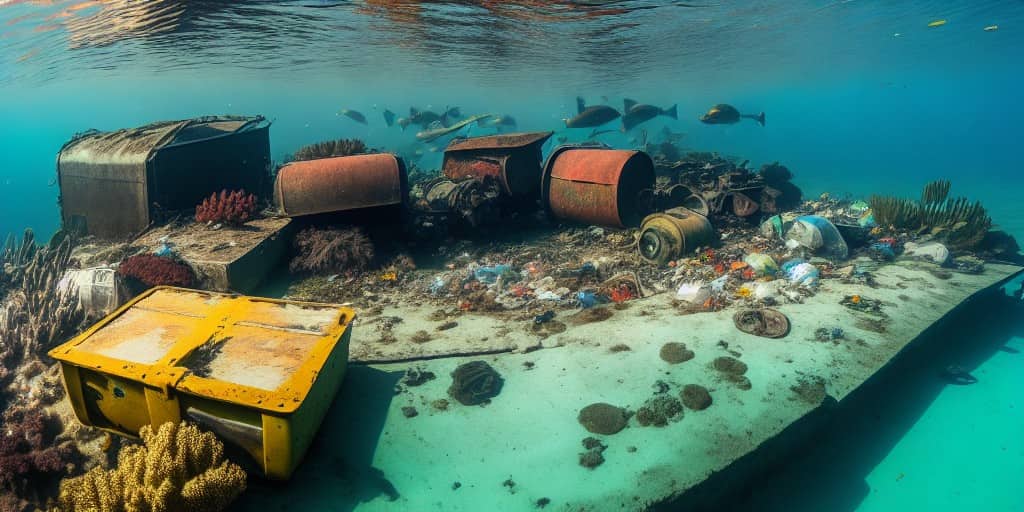
Pollution in ports also has a negative impact on the environment. Air, water and noise pollution can have a significant impact on marine life and biodiversity. Water pollution can cause the death of fish and other marine animals, as well as damage coastal ecosystems.
The responsibility of the authorities
Authorities have a responsibility to ensure that ports comply with established environmental and health standards. This involves creating and enforcing policies and regulations that limit the amount of pollutants released by ports and the companies operating within them.
The authorities should also ensure that regular inspections are carried out and that sanctions are applied in case of non-compliance.
It is important that measures are taken to reduce pollution in ports, as this not only benefits health and the environment, but also the economy. Clean and sustainable ports are more attractive to businesses and tourists, which can generate additional income for local communities.
In summary, pollution in ports is a serious problem that has a significant impact on health and the environment.
It is the responsibility of authorities to take measures to limit the amount of pollutants released from ports and to ensure that environmental and health standards are met. Doing so not only protects people's health and biodiversity, but also promotes the local economy.